Valerian root has been a staple in traditional wellness practices over time. Valerian is a plant with a unique aroma, and its use in traditional medicine is still a topic that has not been fully explored by people, due to its historical value and natural attributes. It is now consumed in a variety of forms, as raw root, capsules, tinctures, and teas, and is a very convenient botanical.
However, what is valerian root, what is special about it, and why does it still attract interest in the contemporary world?
In this blog, we break down the essentials of valerian root, explore its origins, examine common uses, review important fact-checks, and help you understand where to buy valerian root safely. This is a professional, balanced overview designed to inform without relying on unsupported or exaggerated claims.
What Is Valerian Root?
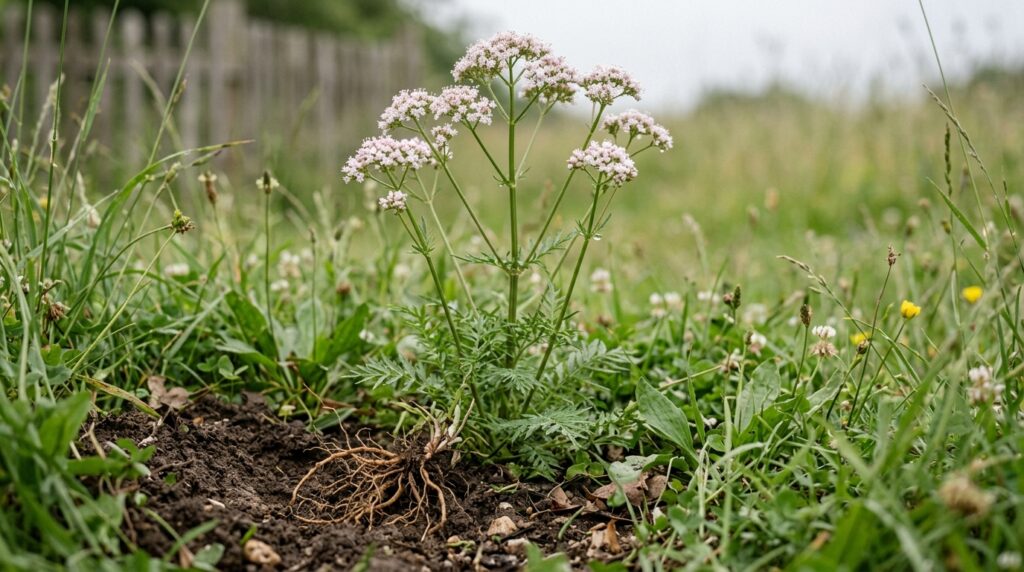
Valerian root is the root of valeriana officinalis, which is a flowering plant that is indigenous to Europe and some parts of Asia. Hundreds of years have been spent in cultural and botanical processes. Although the plant also grows small pink or white flowers, the root and rhizome that is grown underground have been harvested.
Appearance and Characteristics
Under the best conditions, valerian plants grow to a height of five feet. The root is brown or tan and fibrous, and has a network of knots to some extent. Valerian root, when dry, acquires its characteristic earthy odor, sometimes referred to as strong or pungent. This smell is due to naturally formed compounds in the root that give the plant its distinct name.
How It’s Prepared
Valerian root may undergo several preparation methods before reaching consumers:
- Drying the whole root
- Grinding it into powder for capsules or tablets
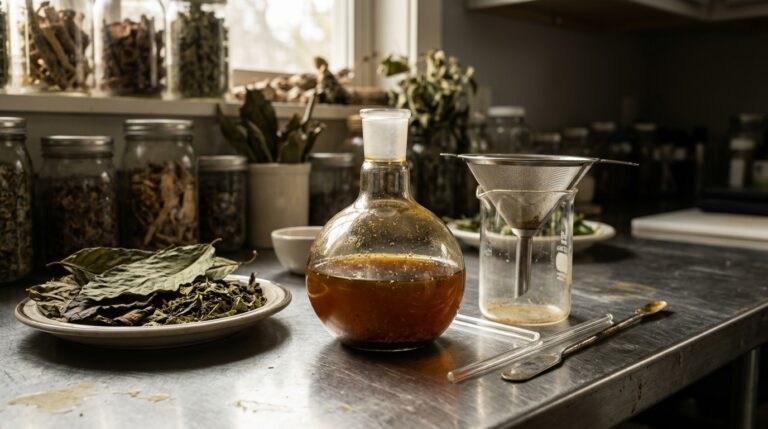
- Steeping in liquids to create tinctures and extracts
- Cutting the root into small pieces for use in tea blends
Each form varies in concentration and flavor, allowing people to choose whichever format suits their preference.
Historical Context
According to historical documents, the root of valerian has had a place in European herbal tradition for centuries. Since the reference of its reference in ancient Greece and all the way up to the Middle Ages, its significance has changed with the culture that employed it. The long-time interest in valerian root may persist, although the way it is used today does not reflect how the root was used in the past.
Valerian Root Fact Check
Because valerian root has been part of herbal discussions for so long, a number of myths and assumptions have built up around it. To better understand the plant, it helps to review the basics and separate fact from exaggeration.
1. Is Valerian Root a New Trend?
No—valerian root is far from new. It has a documented history spanning centuries. Its rise in popularity in the modern wellness market may make it appear like a trend, but its roots (both literal and cultural) run deep.
2. Does Valerian Root Have Universal Effects?
No single botanical ingredient works the same way for everyone. Like many herbs, experiences may vary depending on body composition, lifestyle, and personal sensitivity. Because of this, valerian root is not guaranteed to produce uniform results across individuals.
3. Is Valerian Root the Same as Other Calming Herbs?
Valerian root is often grouped with other botanical ingredients, but each plant has distinct natural compounds. Valerian’s natural profile makes it different from lavender, chamomile, or passionflower. They may be used for similar purposes in some traditions, but they are not interchangeable.
4. Is Valerian Root Backed by Modern Research?
There is ongoing research, but conclusions remain mixed. More studies are needed to understand its full range of properties. While valerian root remains popular, it is important to maintain realistic expectations and avoid assuming clinical-level effectiveness.
5. Does Valerian Work Immediately?
Botanical products in general may not have instant results. Some individuals report noticeable effects with continued or consistent use, while others may not experience any change.
What Makes Valerian Root Unique?
Several features set valerian root apart from other botanicals.
Its Distinct Natural Compounds
Valerian root contains naturally occurring components such as valerenic acids and essential oils. These compounds contribute to the plant’s aroma and its historical reputation. Their presence has made valerian of interest to botanists and researchers.
A Long-Spanning Reputation
Few herbs have as extensive a record of traditional use as valerian root. Its presence in ancient, medieval, and modern contexts shows that it has continued relevance across generations.
Availability in Multiple Forms
Unlike many herbs limited to teas or powders, valerian root is available in a wide range of formats:
- Capsules
- Tablets
- Dried tea blends
- Extracts
- Liquid drops
- Raw dried root
This versatility makes it accessible to people with different preferences regarding consumption.
Aroma and Sensory Profile
Even among botanicals, valerian root is famous for its strong smell. While some find it earthy and grounding, others consider it potent. Its distinct scent is one of the first clues that valerian root is unlike most other herbs.
Use of Valerian Root
Valerian root is used for a variety of reasons, typically associated with relaxation and calmness. While we avoid medical claims, here is an overview of how people commonly incorporate it into their routines.
1. In Evening Routines
Many individuals include valerian root supplements in nighttime rituals. It’s often used alongside warm beverages and quiet activities such as stretching or reading.
2. In Teas
Dried valerian root or valerian-containing tea blends are popular. These teas are typically brewed for several minutes to extract the aromatic compounds from the root.
3. In Daily Wellness Regimens
Some people prefer consistent, small amounts of valerian root as part of their broader lifestyle routines.
4. In Relaxation-Focused Rituals
Valerian root is sometimes included in aromatherapy or relaxation practices—though the root itself is usually used through ingestion, not inhalation.
5. In Combination with Other Botanicals
Manufacturers may pair valerian root with chamomile, lemon balm, or similar herbs in blended formulas. Each botanical contributes its own natural profile.
Important Considerations
Because herbal ingredients may interact differently from person to person, it is recommended to:
- Start with small amounts
- Check product quality and sourcing
- Review any ingredient interactions
- Speak with a professional if you have existing health considerations
What Makes Valerian Root Interesting?
Beyond its uses, valerian root has a fascinating botanical structure.
The Complex Root System
Valerian roots consist of both primary roots and rhizomes. When harvested, the entire network is cleaned and dried, which concentrates the natural compounds found within.
Growth Conditions
Valerian plants prefer moist, well-drained soil and moderate sunlight. They thrive in temperate climates and are commonly cultivated in Europe, Asia, and parts of North America.
Harvesting Traditions
Traditionally, valerian roots were harvested in the autumn after the plant’s flowers died back. The timing was believed to influence aroma strength and overall quality.
Natural Ecology
The valerian plant contributes to its ecosystem by attracting pollinators such as butterflies and bees. Though the root is harvested for human use, the flowers play an important environmental role.
Where to Buy Valerian Root
Valerian root is widely available, but sourcing quality products is essential. Like many botanical supplements, the market ranges from highly reputable brands to products of questionable quality. Paying attention to sourcing, certifications, and transparency helps ensure a better purchase.
Buying Options
1. Health Food Stores
Local wellness shops often carry valerian root supplements in capsule, tea, and tincture form. These retailers sometimes offer staff guidance about the differences between products.
2. Online Wellness Brands
Many reputable supplement companies sell valerian root directly on their websites. This option gives consumers access to detailed information such as ingredient sourcing, third-party testing, and manufacturing standards.
3. Pharmacies
You may find valerian root in the natural supplement section of larger pharmacies. These stores often stock well-known commercial brands.
4. Specialty Herbal Shops
Apothecaries and herbal boutiques may carry raw dried valerian root or premium blends.
What to Look For
Transparency
Choose brands that clearly state:
- The part of the plant used
- Extraction method (for tinctures)
- Serving size
- Ingredient list with no hidden fillers
Testing
Many high-quality brands include third-party lab testing to confirm purity.
Reputable Reviews
Feedback from verified customers can give insight into product consistency.
Proper Packaging
Air-tight containers, opaque packaging, and sealed bottles help maintain freshness.
How Valerian Root Is Processed
Processing methods can affect aroma, potency, and shelf life. Here’s how valerian typically moves from farm to bottle.
Harvesting
Farmers dig up mature valerian roots after the growing season ends. The roots are washed to remove soil and debris.
Drying
Roots are dried at low to moderate temperatures. This step reduces moisture content and prevents spoilage.
Cutting or Grinding
Depending on the final product:
- Roots are cut into small pieces for teas
- Ground into fine powder for capsules
- Soaked or extracted into liquid solutions for tinctures
Packaging
Once processed, valerian root is sealed to preserve aroma and quality.
Modern Interests in Valerian Root
Even with long historical use, interest in valerian root continues to grow in the modern wellness community. Today, people explore valerian for several reasons:
Natural Lifestyle Preferences
As more individuals seek plant-based alternatives, botanicals such as valerian root have become increasingly popular.
Routine Support
Some incorporate valerian into their daily or nightly routines to promote a sense of calm.
Historical Appreciation
Valerian’s extensive cultural footprint appeals to those who appreciate traditional remedies.
Customization
Modern consumers prefer routines they can customize. Valerian root fits this trend due to its multiple formats.
Is Valerian Root Safe? A Responsible Overview
General Safety
Valerian root is generally considered safe when used appropriately, but like any botanical supplement, it may not be suitable for everyone.
Possible Side Effects
Some individuals report:
- Mild stomach discomfort
- Headache
- Drowsiness
These effects are usually dependent on dosage and sensitivity.
Avoiding Interactions
Anyone pregnant, breastfeeding, taking medications, or has pre-existing health concerns should speak with a professional before using valerian root.
Quality Matters
Low-quality valerian products may contain contaminants or inaccurate dosages, emphasizing the need for reputable sourcing.
Valerian Root in Cultural History
Ancient Uses
Ancient Greek and Roman texts mention valerian-like plants in discussions of herbs and their everyday roles.
Medieval Europe
During the Middle Ages, valerian was widely used for various household practices.
Traditional Herbalism
Many cultures used valerian root in rituals associated with calmness and grounding.
Modern Herbal Traditions
Herbalists today continue to include valerian root as part of traditional botanical practice, although modern understanding is more nuanced and cautious.
Should You Try Valerian Root? A Balanced Perspective
Valerian root is a plant with a rich history and diverse traditional uses. It offers a natural way for people to explore botanical wellness, and its availability in many forms makes it convenient for experimentation. However, experiences vary greatly among individuals, and it’s essential to maintain realistic expectations.
If you’re curious about valerian root:
- Start with reputable brands
- Begin with small amounts
- Monitor your individual response
Valerian root is not a universal solution but can be a meaningful part of personal routines for some individuals.
Final Thoughts
Valerian root is one of the most discussed botanicals in the history of natural wellness. Its pungent smell, long history, and widespread traditional applications make it a special dietary supplement among the herbal plants. Regardless of whether you are visiting it due to curiosity, cultural admiration, or simply due to the desire to learn more about natural habits, there is much to be discovered about valerian root.