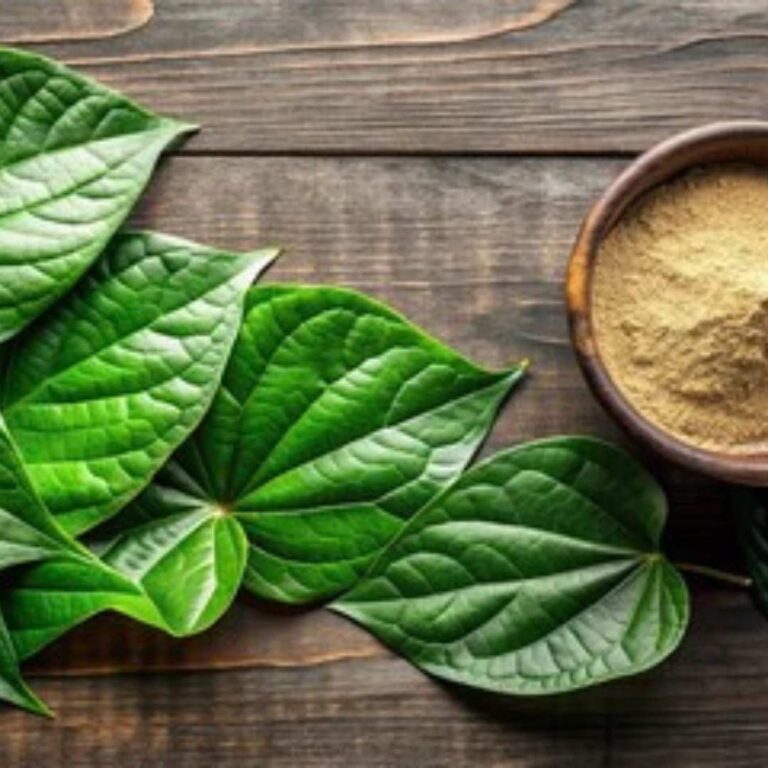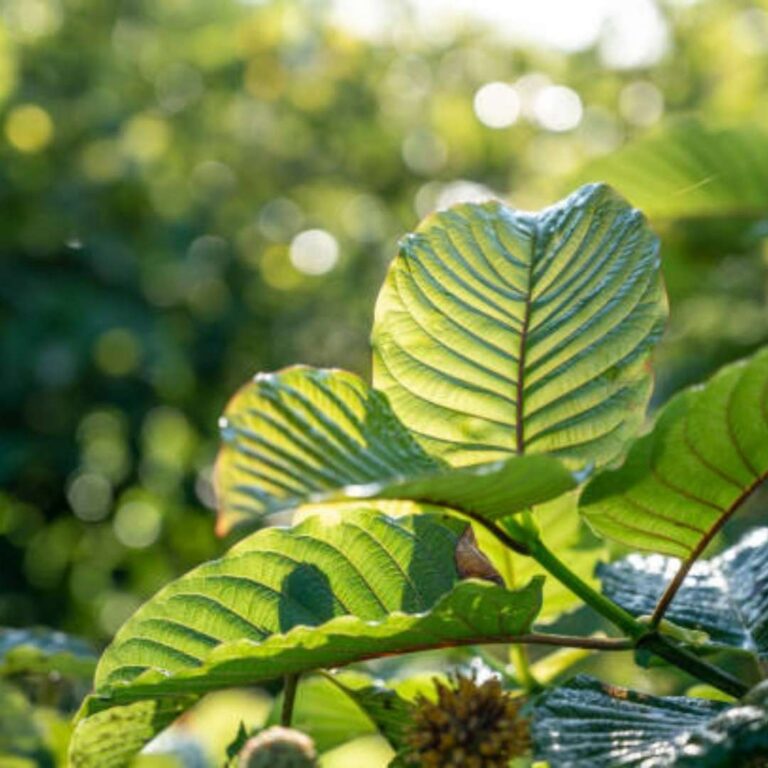
The world of kratom is vast and diverse, filled with unique strains that originate from different regions of Southeast Asia. Among the most popular are Maeng Da kratom and Bali kratom, two varieties that are frequently compared for their distinct characteristics, composition, and popularity among enthusiasts.
If you’ve ever wondered which one suits your preferences or what makes these strains unique, this comprehensive guide breaks it all down. We’ll explore what Maeng Da kratom is, what Bali kratom is, their origins, types, differences, and how each fits into the broader kratom spectrum, without relying on unsupported health claims.
What Is Maeng Da Kratom?
Maeng Da kratom is often regarded as one of the most potent and refined kratom strains available today. The name “Maeng Da” comes from Thai, roughly translating to pimp grade, a colloquial term used to describe something exceptionally strong or high quality.
Originally cultivated in Thailand, Maeng Da has now expanded to regions across Indonesia and Malaysia, where it continues to be produced using selective breeding techniques and expert processing.
Origins and Background
Maeng Da was created through selective grafting — a process where different kratom plants are combined to enhance their desirable traits. Over time, farmers refined the plant’s alkaloid balance and texture to develop what many consider a superior kratom leaf.
Today, it’s one of the most recognizable names in the kratom market, known for its rich alkaloid composition and consistency.
General Characteristics
- Grown primarily in Thailand and Indonesia
- Refined through grafting for balanced alkaloids
- Often regarded as premium-grade kratom
- Recognized for its deep aroma and dense leaf texture
Popular Maeng Da Kratom Types
There are several Maeng Da kratom types, usually defined by vein color and region:
1. White Maeng Da
Known for its bright, energizing aroma, often used in morning routines.
2. Green Maeng Da
A balanced strain that many users consider a “middle ground” — smooth and versatile.
3. Red Maeng Da
Commonly used later in the day, with a deeper and more relaxing profile.
4. Gold Maeng Da
A blend often made through fermentation, combining red and green leaves for a milder yet unique experience.
These types give users flexibility based on their preferences and timing of use.
What Is Bali Kratom?
Bali kratom is another top-selling strain, known for its rich heritage and affordability. Despite the name, most “Bali kratom” on the market today is cultivated in Borneo, particularly in the Indonesian region of Kalimantan. The term “Bali” became popular as a trade name when early shipments passed through the Port of Bali before export, giving it a recognizable, global identity.
Origins and Background
Bali kratom grows in the fertile, humid rainforests of Indonesia, where soil composition and tropical conditions produce lush kratom leaves with balanced alkaloids. It’s considered one of the more traditional strains, commonly available and favored by beginners for its well-rounded profile.
General Characteristics
- Originally associated with the island of Bali but mostly grown in Borneo
- Considered a classic, accessible strain for newcomers
- Known for balanced aroma and smooth taste
- Often priced more affordably than premium strains like Maeng Da
Benefits of Maeng Da Kratom
While we avoid making health claims, it’s fair to say that Maeng Da kratom has gained popularity for several practical and sensory reasons:
- Consistency: Users often appreciate Maeng Da’s steady, reliable effects due to its refined alkaloid profile.
- Versatility: Available in multiple vein types suitable for different times of the day.
- Premium Quality: Selectively bred for high potency and purity.
- Aromatic Depth: Many enthusiasts describe its scent as rich, full-bodied, and distinctive.
Because of these qualities, Maeng Da has become a go-to for those looking for a high-quality kratom experience that offers both reliability and variety.
Benefits of Bali Kratom
Bali kratom is often seen as a classic strain, offering a balanced, approachable profile that appeals to newcomers and experienced users alike.
Some of its most appreciated characteristics include:
- Affordability: Bali kratom tends to be more budget-friendly.
- Accessibility: Widely available from many trusted vendors.
- Well-Rounded Aroma: Balanced alkaloid mix contributes to its traditional kratom profile.
- Gentle Nature: Typically milder than premium strains, making it suitable for those experimenting with kratom for the first time.
Overall, Bali kratom provides a more relaxed and versatile introduction to kratom without the intensity associated with Maeng Da.
Maeng Da Kratom Types Explained
To better understand Maeng Da’s versatility, let’s break down its key vein types:
1. Red Maeng Da
Rich, robust, and often chosen by users who prefer a calming evening botanical.
2. Green Maeng Da
Balanced and smooth, suitable for all-day use.
3. White Maeng Da
Energizing and bright, often used in morning routines.
4. Gold Maeng Da
Fermented or blended strain that offers a mild and unique aroma profile.
Each type brings its own set of characteristics, allowing users to fine-tune their experiences.
Bali Kratom Types Explained
Bali kratom also comes in various vein colors, each catering to different preferences:
1. Red Bali Kratom
The most famous Bali variety. Known for its full-bodied, traditional profile, often used later in the day.
2. Green Bali Kratom
Balanced and mild, making it a great daytime strain for those who prefer steady, subtle effects.
3. White Bali Kratom
Bright and refreshing, typically chosen by individuals seeking light, clear-headed energy.
Together, these types form the foundation of Bali’s reputation as a dependable, well-balanced kratom strain.
Maeng Da vs Bali: Which One Should You Choose?
Your choice between Maeng Da vs Bali kratom depends largely on your experience level, taste preferences, and desired consistency.
Choose Maeng Da if:
- You have prior kratom experience.
- You value stronger, more concentrated alkaloids.
- You prefer a premium-grade strain with multiple variations.
- You don’t mind paying a little more for quality.
Choose Bali Kratom if:
- You’re new to kratom.
- You want something mild and approachable.
- You prefer a budget-friendly option.
- You enjoy balanced, traditional kratom experiences.
Both strains are respected, but Maeng Da often appeals to seasoned users, while Bali remains a timeless favorite for beginners.
Price Comparison: Maeng Da vs Bali Kratom
On average, Bali kratom is more affordable. Its wide availability and simpler processing make it accessible and cost-effective.
Maeng Da, by contrast, often costs slightly more due to its selective cultivation and premium branding. However, many users consider the higher price justified by the strain’s refined quality and consistency.
Lab Testing and Quality Assurance
When purchasing either strain, always prioritize lab-tested kratom from reputable vendors. Trusted suppliers conduct independent testing for:
- Microbial safety
- Heavy metal contamination
- Alkaloid verification
- Purity and freshness
Both Maeng Da and Bali can vary in quality depending on the supplier, so checking for third-party verification ensures you’re getting safe, authentic kratom.
Sourcing and Sustainability
Both Maeng Da and Bali kratom are cultivated using traditional farming methods that emphasize sustainability. Farmers typically harvest mature leaves from trees grown in tropical rainforests, contributing to the preservation of kratom’s natural ecosystems.
Many vendors now partner directly with local farmers, ensuring fair trade and supporting community livelihoods — an increasingly important factor for ethical consumers.
User Experience and Popularity
Maeng Da Kratom Popularity
Widely praised for its potency, Maeng Da is a top seller among long-time kratom users. It has earned its reputation for being refined and consistent, often associated with high-quality batches.
Bali Kratom Popularity
Bali kratom remains one of the most iconic strains. Its balanced profile, gentle aroma, and easy availability make it a staple choice for those seeking reliability without intensity.
Both strains hold strong fan bases for different reasons: Maeng Da for its premium potency and Bali for its versatility and traditional appeal.
Storage and Preparation Tips
To preserve freshness and aroma:
- Store kratom in airtight containers.
- Keep it away from heat, moisture, and sunlight.
- Avoid frequent exposure to air.
- For a smoother taste, mix kratom with citrus or herbal teas.
These tips apply to both Maeng Da and Bali varieties.
Final Comparison Summary
| Category | Maeng Da Kratom | Bali Kratom |
| Origin | Thailand & Indonesia | Indonesia (Borneo) |
| Processing | Selectively bred, high potency | Traditional sun-dried |
| Flavor | Earthy and strong | Mild and smooth |
| User Level | Intermediate to advanced | Beginner-friendly |
| Price | Higher | More affordable |
| Availability | Premium vendors | Widely available |
| Reputation | Refined and powerful | Balanced and reliable |
Conclusion
When comparing Maeng Da vs Bali kratom, there’s no absolute winner; it depends entirely on your experience, preferences, and goals.
Maeng Da kratom stands out for its potency, refined alkaloid profile, and consistent results, making it a favorite among seasoned enthusiasts. Bali kratom, meanwhile, offers a smoother, gentler experience that’s ideal for beginners or those seeking a traditional, balanced strain.
Both varieties have earned lasting respect in the kratom community, representing two sides of the same botanical tradition, one premium and potent, the other classic and approachable.
Whichever you choose, always source from lab-tested, reputable vendors, store your kratom properly, and take time to learn what works best for you. With the right knowledge and awareness, both Maeng Da and Bali can offer enjoyable, natural experiences rooted in centuries-old Southeast Asian tradition.